
How to Choose Cabinet Hardware That Fits
Cabinet hardware is one of the last decisions in a kitchen or built-in project, but it is not a minor one. Knobs, pulls, latches, and hinges are touched every day, seen from across the room, and capable of making well-built cabinetry feel either complete or slightly off. Knowing how to choose cabinet hardware comes down to matching its scale, function, and finish to the cabinetry itself - not simply picking the most appealing sample from a display board.
For a custom kitchen, mudroom, vanity, or wall of built-ins, hardware should support the overall work. It needs to feel right in the hand, hold up to regular use, and look intentional beside the door profiles, wood grain, countertop, and lighting.
Start With the Cabinet Style
Hardware should follow the character of the cabinetry rather than compete with it. A clean slab door can carry a long, simple bar pull or a slim edge pull without looking busy. A shaker door often works well with knobs, cup pulls, or straightforward bar pulls. More traditional raised-panel doors may suit knobs with a little more shape, or classic bin pulls in a finish that has some warmth.
The goal is not to follow a fixed rule. It is to create a relationship between the hardware and the details already in the room. Fine, narrow rails and stiles can be overwhelmed by oversized pulls. On the other hand, large pantry doors and wide drawer fronts need enough visual weight to avoid looking under-finished.
Consider the rest of the house as well. A modern kitchen in a century home can still work beautifully, but the hardware may be the detail that helps bridge old and new. A soft aged brass, for example, can add warmth to a streamlined cabinet design without making the room feel overly traditional.
Choose Knobs, Pulls, or a Combination
The simplest hardware plan is often the strongest. Knobs are compact and familiar, while pulls provide a larger gripping surface and can create a more linear, tailored look. Many kitchens use both: knobs on cabinet doors and pulls on drawers. This is a reliable approach, particularly for transitional cabinetry, because the difference helps people intuitively identify doors and drawers.
That said, one hardware type throughout can look equally deliberate. Using pulls on both doors and drawers gives a clean, contemporary result. Knobs throughout may be appropriate for a smaller, more traditional kitchen, though large drawers can be less comfortable to open with a single knob.
Function should guide the decision on heavier components. Deep pot drawers, pull-out waste bins, appliance panels, and tall pantry doors benefit from hardware that offers a secure grip. A small decorative knob may look attractive, but it is not always practical when the drawer is loaded with cookware.
Test the grip before ordering
A hardware sample can look excellent on a cabinet door and still be uncomfortable in daily use. Hold it as you would when opening a drawer. Check whether there is enough clearance for your fingers, whether the edges feel sharp, and whether the pull is easy to grasp with damp hands.
This matters especially in kitchens used by children, older adults, or anyone with limited hand strength. A rounded pull with adequate projection is often more comfortable than a very slim profile. For a working kitchen, that practical difference is worth more than a small visual trend.
Get the Proportion Right
There is no single pull length that suits every drawer, but proportion is what makes a hardware layout feel considered. A common starting point is a pull that measures roughly one-third of the drawer width. This is a guideline, not a requirement. On wide drawers, longer pulls can make a stronger statement, while smaller drawers may only need a compact pull or knob.
For very wide drawers, two pulls are sometimes the better choice. They distribute the force of opening and create visual balance, particularly on traditional or shaker cabinetry. A single long pull can look more contemporary and can be easier to use, but placement needs to be exact.
Tall cabinet doors deserve the same attention. A small knob on a large pantry door can look undersized and may put unnecessary strain on one area of the door. Longer pulls generally suit tall doors, especially when the kitchen has strong vertical lines or substantial cabinet proportions.
Before drilling, tape full-size samples or paper templates onto several cabinet fronts. Step back and view them from the main entrance to the room. Then open them. This simple check catches scale issues before they become permanent holes in finished cabinetry.
Select a Finish That Belongs in the Room
Hardware finish does not need to match every metal surface exactly. In fact, a room with perfectly identical faucet, lighting, cabinet hardware, and appliance finishes can feel flat. What matters is that the finishes relate to one another.
Brushed nickel and stainless steel are dependable choices where appliances have a visible stainless finish. Matte black offers definition against white oak, painted cabinets, and light countertops, although it can show fingerprints and dust more readily in a bright kitchen. Brass adds warmth and contrast, especially with darker paint colors, natural wood, or stone with warm veining.
Polished finishes reflect more light and tend to read as formal or traditional. Brushed, satin, and aged finishes are usually more forgiving of water spots and daily handling. If the cabinetry is a major investment, avoid choosing hardware only from a tiny online image. Finish samples vary considerably under warm LEDs, daylight, and evening lighting.
Think beyond the kitchen faucet
Look at nearby light fixtures, stair rails, door levers, and visible plumbing fixtures. They do not all need to match, but they should make sense together. A home with black interior door hardware may call for black cabinet pulls, or it may benefit from a warmer contrasting finish that appears elsewhere in the space.
The cabinet color changes the equation. Black pulls on deep navy cabinetry can be subtle and refined, while the same pulls on a pale painted door become a strong graphic detail. Unlacquered or living brass develops character over time, which appeals to some homeowners and frustrates others. Decide whether you want a finish that stays consistent or one that gains a patina through use.
Do Not Overlook Quality and Installation
Hardware is small, but it receives constant stress. Quality pieces feel solid, have clean finishing, and use screws that fit the cabinet thickness properly. Lightweight hollow pulls are not automatically poor, but they may not have the feel or durability expected in a high-use custom kitchen.
Check that the finish is suitable for the room. Kitchens and bathrooms see moisture, cleaning products, and frequent contact. Ask how the hardware should be cleaned, particularly for living finishes, lacquered brass, and matte black. Abrasive cleaners can damage a finish long before the cabinetry shows any wear.
Installation is also finish work. Pulls that are even slightly misaligned become obvious across a row of drawers. Consistent placement, matching heights, and clean drilling are part of a professional result. This is one reason hardware should be selected early enough in the cabinet process to confirm hole spacing and layout, even if final installation happens near the end.
How to Choose Cabinet Hardware for Built-Ins and Bathrooms
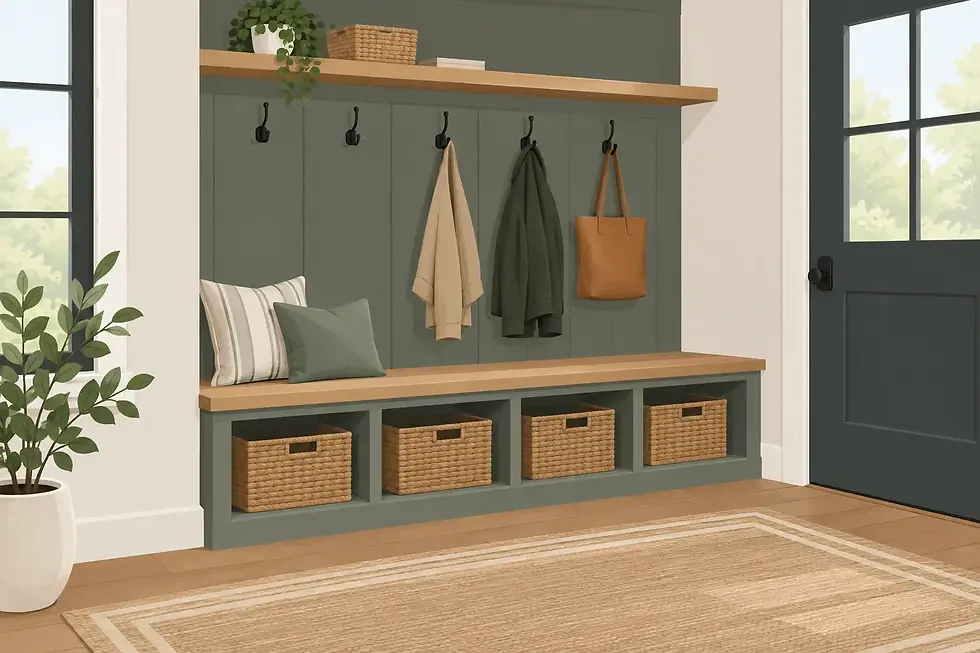
Built-ins often benefit from restraint. If a wall of cabinetry is designed to blend into the architecture, discreet knobs, small pulls, or integrated edge pulls can preserve that quiet appearance. If the built-in is meant to act as furniture, hardware can be more distinctive - perhaps a traditional knob, a textured pull, or a warmer finish that complements the room's furnishings.
Bathroom vanities call for the same attention to grip and proportion, with added consideration for moisture. A pull that is comfortable on a kitchen drawer will usually work well on a vanity, but the finish should be easy to maintain around water and soap residue. For a compact vanity, avoid oversized hardware that crowds the door style or interferes with nearby walls.
One final practical point: buy a few extra pieces. Hardware lines can be discontinued, and having replacements on hand is useful if a finish is damaged years later or a renovation adds matching cabinetry.
The right cabinet hardware should feel settled from the first time you open a drawer. When its proportions, finish, and function are working together, it lets the quality of the cabinetry remain the focus.


Comments