
12 Best Custom Kitchen Ideas That Last
A kitchen usually tells you what is wrong with it long before a renovation starts. The corners become dead space, the island turns into a traffic jam, and the cabinets never seem to hold what your family actually uses. The best custom kitchen ideas solve those everyday problems first, then improve the look of the room through better materials, layout, and finish work.
Custom work matters because no two homes use a kitchen the same way. A family that cooks every night needs different storage than a couple that entertains on weekends. An older home may need smarter planning around uneven walls, tight footprints, or awkward ceiling lines. That is where custom design and skilled carpentry make a visible difference - not just in how the kitchen looks, but in how it works every day.
What makes the best custom kitchen ideas worth it
The strongest kitchen ideas are not the flashiest ones. They are the details that remove friction from daily use and hold up over time. A well-planned drawer bank beside the range often matters more than adding another decorative feature. A properly built pantry can do more for organization than an extra run of upper cabinets.
Custom kitchens also give you better control over proportion. Stock cabinetry works within preset dimensions, which can leave filler strips, wasted gaps, or odd transitions. Custom cabinetry can be built to fit the room properly, which creates a more finished result and often gives you more usable storage. That is especially valuable in remodels where walls are not perfectly square and standard sizes do not land cleanly.
Best custom kitchen ideas for layout and function
1. Build storage around how you cook
One of the best upgrades in a custom kitchen is task-based storage. Instead of treating every cabinet the same, storage is planned around actual use. Deep drawers for pots near the cooktop, vertical dividers for baking sheets beside the oven, and utensil drawers where prep happens all make the room easier to work in.
This sounds simple, but it changes the feel of the whole kitchen. You stop walking back and forth for basic items. You stop stacking things in hard-to-reach spaces. The kitchen begins to support your routine rather than forcing you to work around it.
2. Use an island for more than extra counter space
A good island should earn its footprint. In some kitchens, that means seating and hidden storage. In others, it means a prep sink, microwave drawer, or wide working surface with durable overhang support. The right answer depends on the room.
Bigger is not always better here. If an oversized island interrupts circulation, it creates more frustration than value. In tighter layouts, a slightly smaller island with better clearances often performs better than a large centerpiece that dominates the room.
3. Add a real pantry, even if space is tight
A pantry does not have to be a walk-in room to be effective. A full-height cabinet with rollout shelves, interior lighting, and properly planned depth can hold far more than a collection of basic lowers and uppers. In many homes, this is one of the highest-value custom additions because it reduces clutter everywhere else.
If you have room for a butler-style pantry or built-in coffee station, that can also help keep the main kitchen cleaner and more focused. But even a narrow pantry tower can be a major upgrade when it is well built.
Best custom kitchen ideas for cabinetry
4. Take cabinets to the ceiling
Ceiling-height cabinetry is one of the clearest ways to make a kitchen feel complete. It removes the dust-collecting gap above the uppers, gives you more storage, and creates stronger visual lines. In homes with standard stock cabinets, that unfinished top space often makes the whole kitchen feel more temporary than it should.
There is a trade-off, though. Very high storage is best for seasonal or occasional items, not everyday dishes. If accessibility is a concern, it may be better to focus on highly efficient lower storage and keep upper cabinets practical.
5. Mix drawers and doors with purpose
Many homeowners still default to traditional base cabinets with shelves behind doors. In practice, deep drawers are often more useful. You can see what you have, reach the back without kneeling, and organize by category much more easily.
That does not mean every lower cabinet should become a drawer bank. Sink bases, corner solutions, and certain appliance areas still need doors or specialty interiors. The best custom kitchen ideas use a combination of both, based on what each zone needs to store.
6. Include built-in details that look finished
Appliance panels, custom range hoods, matching end panels, and finished refrigerator surrounds help a kitchen look intentional rather than pieced together. These details matter because they tie cabinetry, appliances, and trim into one coordinated build.
This is where craftsmanship shows. A clean scribe to an uneven wall, a properly fitted panel, or a well-proportioned hood surround may not be the first thing someone notices, but it is often the reason the kitchen feels high-end and built for the home.
Best custom kitchen ideas for materials and surfaces
7. Choose materials that fit real use
A kitchen has to survive daily wear. That means material choices should match the household, not just the photo that inspired the project. Painted cabinets can look sharp and timeless, but they may show chips more readily in a busy family kitchen than a stained wood finish. Natural stone has character, but some homeowners prefer lower-maintenance quartz for heavy use.
There is no single best surface for every project. The better question is how much maintenance you want, how hard the kitchen will be used, and what type of aging you can live with. Durable choices tend to be the ones people are still happy with years later.
8. Bring in wood where it adds warmth
Custom kitchens can benefit from a wood element that breaks up painted surfaces and adds depth. That may be white oak shelving, a walnut island, a natural hood accent, or stained interior cabinetry in a pantry or hutch area. Used carefully, wood gives the room a more grounded and crafted feel.
The key is balance. Too many wood tones can make a kitchen feel busy, especially when flooring, trim, and furniture are already competing for attention. One or two well-chosen wood elements usually go further than trying to feature it everywhere.
Best custom kitchen ideas for lighting and finish work
9. Layer lighting instead of relying on one fixture plan
A kitchen needs more than general overhead lighting. Task lighting under cabinets improves prep work. Pendant lighting over an island can define the space and add scale. Interior cabinet lighting or toe-kick lighting can provide subtle function without making the room feel overlit.
Good lighting also changes how finishes read. Paint color, countertop texture, and wood tone can all look different depending on light placement and bulb temperature. That is why lighting should be part of the plan early, not added at the end.
10. Treat trim and transitions as part of the design
One of the biggest differences between a basic remodel and a strong custom kitchen is how the edges are handled. Crown details, filler treatments, end panels, window trim, and transitions into nearby rooms all affect whether the kitchen feels integrated with the house.
This is especially important in older Ontario homes, where floors may slope slightly and walls may not be perfectly true. Skilled finish carpentry helps those realities disappear into a clean final result.
Ideas that add value without making the kitchen feel trendy
11. Create a hidden work zone
Many households want the kitchen to do more than cooking. A concealed desk area, charging drawer, message center, or appliance garage can keep the room organized without turning the counters into storage. These kinds of custom features add convenience while preserving a cleaner look.
The goal is not to hide everything. It is to give daily clutter a proper place. That usually adds more value than a trend-driven feature that dates quickly.
12. Design for the way the kitchen connects to the rest of the home
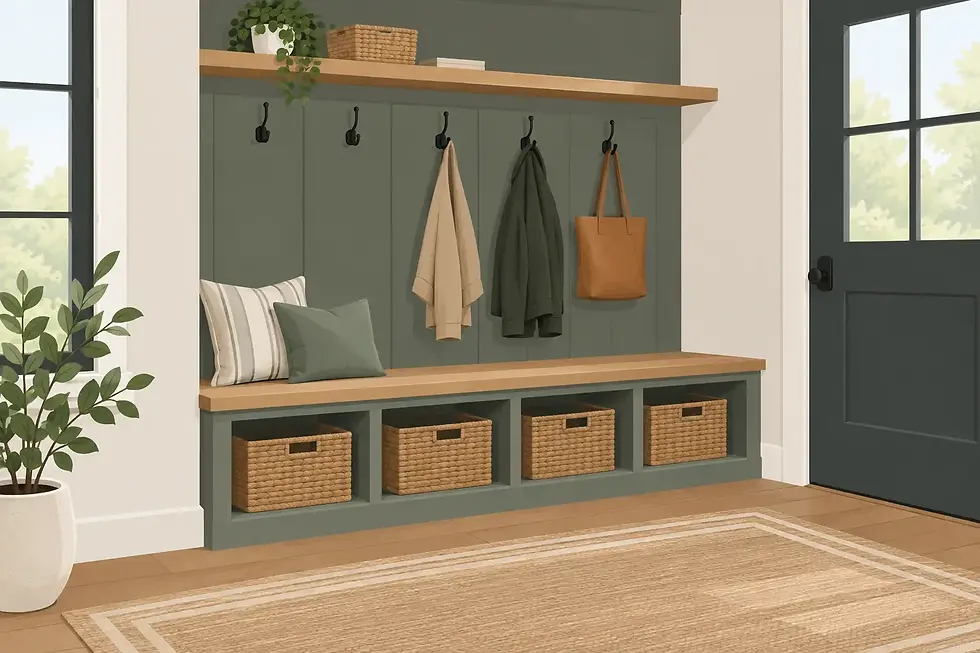
The best custom kitchens are not isolated showpieces. They relate to the adjoining dining area, mudroom, living space, or patio door traffic pattern. That might mean matching built-ins nearby, carrying materials into a breakfast nook, or improving the flow to a deck or backyard entrance.
This broader view is where a contractor with both renovation and finish carpentry experience can make a real difference. Heritage Green Carpentry approaches custom kitchens as part of the home, not just a cabinet replacement project, which leads to better continuity in both use and finish.
How to choose the right custom kitchen ideas for your home
Start with the problems you want solved. If storage is the issue, prioritize pantry design, drawer layout, and cabinet organization before decorative upgrades. If the room feels cramped, focus on circulation, appliance placement, and sight lines. If the kitchen looks dated but functions well, materials and finish details may carry more weight.
Budget should shape priorities, but it should not force short-term decisions that hurt the project later. It often makes sense to invest in cabinetry, layout, and carpentry first, then simplify a backsplash, hardware selection, or specialty feature if needed. The parts you touch and use every day tend to matter more than the parts that are easiest to swap later.
A good custom kitchen is not built from a checklist of popular features. It is built around the house, the people using it, and the level of finish you expect to live with for years. If you keep that standard in view, the best ideas usually become clear.


Comments