
Built In Wardrobe Cabinetry That Fits Right
A bedroom can look finished on paper and still feel awkward once you start living in it. That usually shows up in the same places - crowded corners, dressers fighting for floor space, and closets that waste more room than they use. Built in wardrobe cabinetry solves that problem when it is designed around the room, the storage needs, and the way the space is actually used day to day.
For homeowners investing in a primary bedroom, guest room, or whole-home renovation, this is less about adding a box to the wall and more about making the room work properly. Good wardrobe cabinetry should feel like part of the house, not a piece that was forced into it later.
What built in wardrobe cabinetry should actually do
The first job is obvious - create better storage. The second job matters just as much. Built in wardrobe cabinetry should improve the layout of the room, clean up visual clutter, and hold up to regular use without sagging shelves, awkward doors, or fillers that look like an afterthought.
That is where custom work separates itself from store-bought wardrobes. A freestanding unit can give you extra hanging space, but it cannot account for a sloped ceiling, an uneven wall, a narrow alcove, or trim details that deserve to be carried through. A built-in can be made to fit tightly, use the full height of the room, and match the character of the home.
In practical terms, that might mean full-height hanging sections for long garments, deep drawers for folded clothes, upper cabinets for seasonal storage, or open shelving where it makes sense. The right combination depends on the room and the homeowner. There is no one layout that works for everyone, which is exactly why this kind of project benefits from a custom approach.
Where built in wardrobe cabinetry makes the biggest difference
Bedrooms are the obvious place, but they are not the only one. In older homes especially, closet space is often undersized or poorly located. A built-in wardrobe can turn a blank wall into functional storage without making the room feel smaller when the proportions are handled properly.
Primary bedrooms often benefit from a wider, more furniture-like installation with a mix of hanging space, drawers, and enclosed storage. In a guest room, the priorities usually shift. A slimmer layout with flexible shelving and a modest hanging section often makes more sense than a large, highly specialized build.
Kids' rooms are another case where custom cabinetry can outperform standard furniture. Storage needs change fast. Lower drawers, adjustable shelves, and durable finishes give the room a longer useful life than a basic wardrobe unit bought for one stage of childhood.
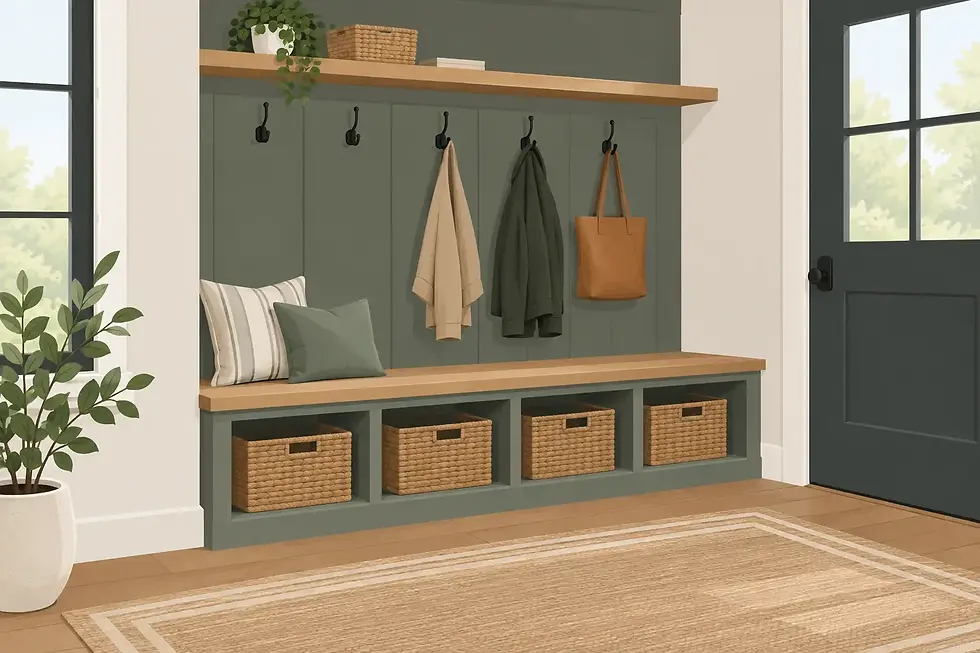
There is also a strong case for wardrobe cabinetry in hallways, dressing areas, and mudroom-adjacent spaces where coats, linens, or overflow clothing need a permanent home. The best projects do not copy a showroom display. They respond to the room they are in.
The details that make a custom build look right
A lot of wardrobe projects fail in the finishing, not the planning. The storage may technically work, but the final result looks heavy, uneven, or disconnected from the rest of the house.
Scale matters first. Tall cabinetry can make excellent use of vertical space, but if the door widths, top sections, and surrounding trim are out of proportion, the piece can dominate the room in the wrong way. This is especially true in modest-sized bedrooms where every inch is visible.
Material choice matters too. Painted built-ins offer a clean, tailored look and can be made to match existing trim or millwork. Wood veneer or clear-finished wood can bring more warmth, but it also demands tighter consistency in grain and finishing. Neither is automatically better. It depends on the house, the room, and the look the homeowner wants to live with long term.
Then there is interior hardware and function. Drawer slides, hinges, pull placement, shelf thickness, and hanging rod locations are not glamorous decisions, but they affect the daily use of the cabinetry more than most people expect. If drawers do not open cleanly beside a bed, or cabinet doors block a walkway, the project was not thought through well enough.
Planning built in wardrobe cabinetry around real use
The most successful wardrobe builds start with honest answers about what needs to go inside. Not idealized answers - real ones. If most clothing is folded, more drawer and shelf space may matter more than a long run of hanging rods. If two people are sharing the storage, access and division become just as important as capacity.
It also helps to think about what should stay hidden and what can stay open. Open shelving can look sharp in photos, but many homeowners prefer enclosed storage in a bedroom because it keeps the room looking calmer. That is usually the better choice when visual simplicity matters.
Lighting, outlet placement, and surrounding furniture should be part of the plan early. A built-in wardrobe may affect nightstand spacing, vent locations, window trim, or baseboard heating clearances. These are not reasons to avoid the project. They are reasons to build it carefully.
This is where a carpentry-led contractor brings value beyond the cabinet boxes themselves. When cabinetry is planned alongside trim, flooring, room layout, and renovation sequencing, the finished result tends to feel intentional from wall to wall.
Built in wardrobe cabinetry and older homes
Older homes often need the most custom storage and the most careful fitting. Walls may be out of square, floors may slope slightly, and original trim details may not line up with standard cabinet dimensions. Trying to force prefabricated units into that kind of room usually leaves gaps, filler strips, or awkward transitions.
Custom built in wardrobe cabinetry gives more control over those conditions. It can be scribed properly to walls, aligned with existing architectural features, and finished in a way that respects the age of the home without looking dated.
That said, older homes also demand restraint. A wardrobe should add function, but it should not erase the room's character. Sometimes that means matching traditional casing profiles or panel details. Other times it means keeping the face design simpler so the original trim and proportions still lead the room.
Cost, value, and where the trade-offs are
Custom cabinetry is an investment, and homeowners should go into it with clear expectations. Built-ins cost more than off-the-shelf furniture because they are measured for the room, built for the intended use, installed precisely, and finished to suit the space. The value is in the fit, the durability, and the way the project improves the room as a whole.
The trade-offs usually come down to scope and finish level. Full-height cabinetry with detailed interiors, painted finishes, and integrated trim will naturally cost more than a simpler unit with fewer compartments and a more straightforward face design. Neither option is wrong. The better choice depends on the room, the budget, and how heavily the storage will be used.
It is also worth thinking past resale shorthand. While custom storage can be attractive to future buyers, the stronger argument is that it improves the daily function of the home for the people living there now. If a room finally works the way it should, that value is immediate.
Why execution matters as much as design
A wardrobe can be well designed and still fall short if the build quality is loose. Tight reveals, clean scribing, level installation, solid drawer construction, and consistent finishing are what make cabinetry feel permanent and well made. Those details are visible every day, even if most people would not name them directly.
This is one reason homeowners often prefer to work with a builder who understands both finish carpentry and the broader renovation picture. In areas like Smiths Falls and the surrounding region, many homes need more than cabinetry alone. Walls may need adjustment, trim may need to be carried through, and the wardrobe may need to coordinate with flooring, paint, electrical, or other upgrades already underway.
A good built-in should not look like it arrived at the end of the project as an isolated piece. It should look like the room was always meant to include it.
When built in wardrobe cabinetry is planned well and built properly, the benefit is simple: the room feels calmer, works harder, and looks more finished every time you walk into it. That is usually the difference homeowners are after, and it is worth getting right.


Comments