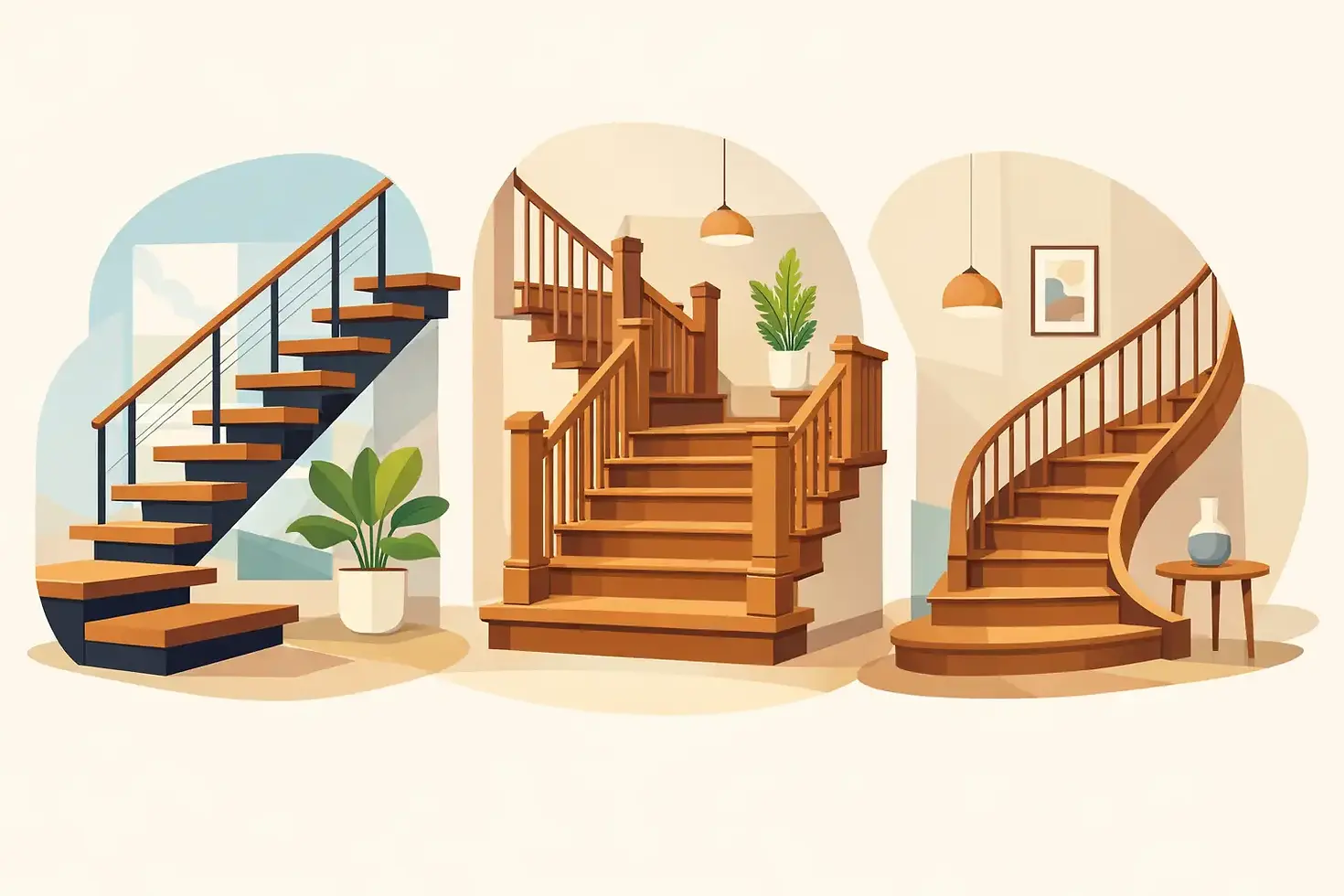
Solid Wood Staircase Options That Fit Your Home
A staircase does more than move people from one floor to the next. It sets the tone the moment you walk into a home, and if the materials or proportions feel off, you notice it every day. When homeowners start comparing solid wood staircase options, they are usually balancing three things at once - appearance, durability, and how the staircase will actually be built to suit the house.
That balance matters because stairs are not a one-size-fits-all feature. The right choice depends on layout, traffic, finish level, and whether you are updating an older home or building something new. A staircase can look simple on paper and still involve a lot of detail in the finish carpentry.
What solid wood staircase options really include
When people hear solid wood staircase options, they often think only about the species of wood. That is part of it, but the decision is broader. You are choosing the structure, the treads, the risers, the posts, the handrails, the balusters, and the finish details that tie everything together.
In some homes, the best approach is a fully solid wood staircase, where the visible components are all built from hardwood or another selected species. In other homes, the smarter choice is a mixed construction staircase with a structural frame and solid wood finish elements in the areas that matter most visually and functionally. That is not cutting corners. It is often a practical way to control cost while keeping the finished result strong and refined.
The important thing is knowing where solid wood makes the biggest difference. Treads, handrails, and newel posts take wear and attract the eye, so material quality shows quickly in those areas. Trim details and painted risers can offer more flexibility without changing the overall feel.
Choosing by wood species
Wood species affects both the look and the long-term performance of a staircase. Hardness matters, but so do grain pattern, stain response, and how well the material fits with the rest of the house.
Oak
Oak remains one of the most common choices for solid staircases because it is durable, available, and consistent. Red oak gives a more pronounced grain and takes stain well, while white oak offers a slightly cleaner, more contemporary look with excellent wear resistance. If the goal is a staircase that can handle family traffic and still age well, oak is usually a safe place to start.
Maple
Maple has a smoother, subtler grain than oak, which makes it a good fit for cleaner interiors and more modern finishes. It wears well, but it can be less predictable with darker stains. If you want a natural or lighter-toned staircase, maple often works very well. If you want a rich dark stain, it takes more care in prep and finishing to get an even result.
Ash
Ash offers good strength and a grain pattern that can feel more open and expressive than maple. It is a solid option for homeowners who want visible character but not the traditional look of oak. Depending on the finish, ash can lean rustic or contemporary.
Cherry and walnut
These are usually chosen for appearance first. Cherry brings warmth and a refined traditional feel, while walnut gives a deeper, richer tone that stands out immediately. Both can produce beautiful staircases, but they sit at a higher price point and are typically better suited to homes where the staircase is a feature piece rather than just a functional transition.
Pine and softer woods
Softer woods can work in the right home, especially for painted stair parts or more casual designs. The trade-off is wear. Dents and marks show more easily, so if the staircase is in a high-traffic area, most homeowners prefer a harder species for the treads at minimum.
Style matters as much as material
A good staircase does not feel imported from another house. It should match the age, scale, and finish language of the home around it.
Traditional staircases
Traditional stairs often use stained oak or another visible-grain hardwood, with defined newel posts, shaped handrails, and turned or square balusters. In older homes or classic renovations, this style usually feels right because it adds detail without looking forced.
Modern staircases
Modern staircases tend to rely on cleaner lines, simpler profiles, and less visual clutter. That might mean thick wood treads, square posts, plain risers, and minimal trim. White oak, maple, and walnut are common choices here. The craftsmanship has to be precise because there is nowhere for rough details to hide.
Transitional staircases
A lot of homeowners land somewhere in the middle. They want warmth from real wood but not a heavy or overly formal staircase. Transitional designs often combine solid wood treads and rails with simpler balusters, painted risers, and restrained trim work. This approach works well in many Ontario homes because it bridges older architecture and updated interiors.
Open riser, closed riser, and feature details
The staircase layout changes how the wood is seen and how the space feels.
Closed riser stairs are the most common. They feel solid, familiar, and often suit family homes well. They also give you more flexibility with painted risers, stained treads, and trim details.
Open riser stairs create a lighter look and can make a smaller area feel more open. They are often chosen for contemporary renovations, but they require careful planning for code compliance, structural support, and finish quality. They also show more of the underside and joinery, so the build quality needs to be consistent from every angle.
Feature details matter too. Box newels create weight and presence. Slender square posts feel more modern. Wood balusters offer warmth, while iron balusters can shift the staircase toward a more mixed-material look. Even the nosing profile on the tread can move the design in a more traditional or more current direction.
Budget trade-offs and where to spend
Not every staircase budget needs to go into premium wood across every component. The best result usually comes from spending where touch, wear, and visibility are highest.
Solid hardwood treads are worth serious consideration because they take daily impact. A quality handrail also matters because it is one of the most handled parts of the staircase and one of the first details people notice. Newel posts deserve attention as well, especially at the bottom of the stairs where they anchor the whole composition.
You can often save money by painting risers or using simpler baluster profiles instead of highly detailed custom parts. That does not reduce quality if the staircase is proportioned properly and finished cleanly. In many cases, restraint makes the final result look better.
Why installation quality changes everything
Even the best material choice can disappoint if the staircase is poorly built or installed. Creaking, movement, inconsistent gaps, rough transitions, and uneven stain all stand out on stairs faster than they do in many other parts of a home.
This is where craftsmanship matters. Staircases involve structure, finish carpentry, and visual alignment all at once. Treads need to feel solid underfoot. Railings need to be secure. Miters, returns, skirt boards, and wall transitions need to read as intentional, not improvised.
For homeowners planning a renovation, it also helps to think about the staircase as part of the broader finish package. Flooring direction, trim profiles, cabinetry style, and paint choices all influence what kind of staircase will look right when the project is complete. That is often why clients working with Heritage Green Carpentry want the staircase handled within the larger renovation scope rather than treated as an isolated piece.
How to decide what fits your home
Start with the house itself. A grand walnut staircase may be beautiful, but if the surrounding finishes are modest and simple, it can feel out of scale. On the other hand, a basic builder-grade stair package can drag down an otherwise well-finished renovation.
Then think about use. A busy family entrance stair needs durability first. A formal front hall staircase may justify more detailed woodwork and a richer species. If pets, kids, and heavy traffic are part of the picture, that should influence the wood selection and finish.
Finally, decide where you want the staircase to sit visually. It can be a quiet, well-built background element, or it can be a focal point. Both are valid. The right answer depends on the home and the expectations for the space.
The best staircase usually does not come from choosing the most expensive wood or the most elaborate design. It comes from matching the material, layout, and finish details to the house in a way that feels settled and well made. If you are weighing solid wood staircase options, that is the standard worth aiming for - a staircase that looks right on day one and still feels right years later.


Comments