
Why Are Custom Cabinets So Expensive?
A homeowner usually asks why are custom cabinets so expensive right after seeing the difference between a stock cabinet quote and a true custom build. On paper, both options sound similar - boxes, doors, drawers, and installation. In practice, they are completely different products built in completely different ways.
Custom cabinetry costs more because you are not buying a standardized item off a shelf. You are paying for design time, precise measuring, skilled fabrication, better material options, finish quality, problem-solving on site, and a final result that is built specifically for your home. If the room is unusual, if the storage needs are specific, or if the finish needs to match the rest of the house, that price difference starts to make more sense.
Why are custom cabinets so expensive compared to stock options?
The shortest answer is that stock cabinets are designed for efficiency, while custom cabinets are designed for fit, function, and finish.
A stock cabinet line is made in fixed sizes, with limited materials, limited colors, and repeatable production methods. That keeps manufacturing fast and predictable. Custom work is slower by nature. Every measurement matters, every detail has to be decided, and each component is built around the actual space rather than around a factory standard.
That difference shows up right away in kitchens, mudrooms, laundry rooms, and built-ins. Walls are rarely perfectly straight. Floors can slope. Ceilings can vary. Older homes are especially full of surprises. Custom cabinetry accounts for those conditions instead of forcing the room to accept standard sizes and filler pieces wherever the fit falls short.
The biggest cost drivers in custom cabinetry
Design and planning time
Before any wood is cut, there is time spent understanding the layout, storage goals, appliance sizes, traffic flow, and finish details. A good cabinet build starts with careful planning because mistakes at this stage are expensive later.
If you want a pantry that holds specific small appliances, drawers sized for cookware, or built-ins that frame a fireplace neatly, that takes design work. Even when the final look seems simple, the planning behind it usually is not.
Materials are often better, and they are chosen project by project
One of the clearest reasons custom cabinets cost more is the material quality. Many custom builds use cabinet-grade plywood, hardwood face frames, solid wood doors, quality drawer boxes, and better hardware than what you will find in many lower-cost cabinet lines.
There is also a wider range of choices. Paint-grade maple, white oak, walnut, rift-cut veneers, durable plywood interiors, soft-close slides, heavy-duty hinges, integrated lighting, custom organizers - these all affect price. Material cost rises quickly when homeowners want a cabinet package that is meant to hold up for years of daily use.
That does not mean every expensive material is necessary. Some projects benefit more from better box construction and hardware than from premium species. It depends on where the cabinets are going, how they will be used, and how long you expect them to last.
Skilled labor is a major part of the price
Cabinetry is detail work. A custom cabinet shop or finish carpenter is not simply assembling boxes. They are cutting, joining, sanding, fitting, adjusting, and finishing components so everything looks intentional and operates properly.
That labor takes training and time. Tight reveals, level runs, smooth drawer action, clean scribe lines against uneven walls, and consistent door alignment do not happen by accident. They are the result of skilled hands doing careful work.
For homeowners comparing prices, labor is often where the sticker shock happens. But it is also where much of the visible quality comes from. Poor cabinet work is easy to spot once it is installed.
Finishing is more involved than people expect
Painted cabinetry, stained wood, clear finishes, and specialty finishes all add work. Surface prep matters. Spray quality matters. Drying and curing time matter. Matching a stain across multiple wood components takes experience.
A clean finish is one of the first things people notice in a kitchen or built-in. Brush marks, inconsistent sheen, uneven stain absorption, and chipped edges stand out quickly. High-end finishing costs more because it takes more process control and more time.
Installation is part of the craftsmanship
Installation is not just delivery. It is where the room, the cabinets, and the finish details have to come together. In a custom project, installers may need to scribe to walls, adjust for out-of-level floors, align panels precisely, fit trim, integrate appliances, and coordinate with countertops, plumbing, electrical, and flooring.
This is especially true in renovation work. New cabinets rarely go into perfect conditions. If the room has quirks, custom installation becomes a technical task, not a simple placement job.
Why custom cabinets cost more in older or more complex homes
In many Ontario homes, especially older ones, nothing is perfectly square. Walls move over time. Floors settle. Previous renovations create layers of framing and finish changes that are not obvious until work begins.
That is one reason custom cabinetry often makes sense in the first place. It can be built to work with the house instead of fighting it. But it also means more site measuring, more fitting, and more adaptation during install. A built-in around an uneven alcove or a kitchen with tight tolerances around windows and existing trim will naturally cost more than a straightforward run in a new, open room.
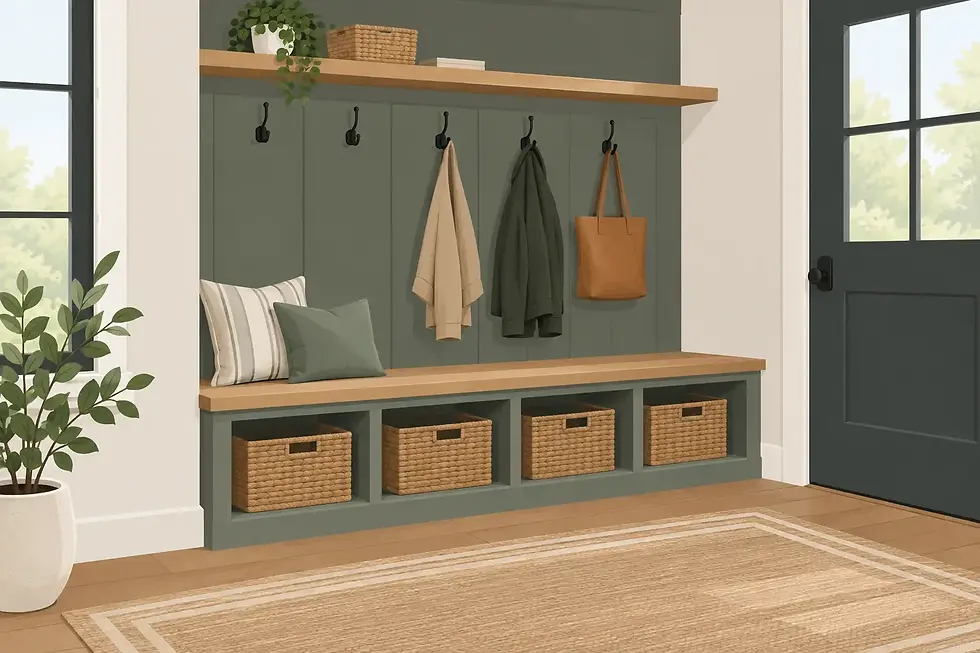
The same applies when cabinetry is doing more than basic storage. Window seats, mudroom lockers, appliance garages, entertainment units, and full-height pantry walls ask more of the design and build process than standard lower and upper cabinets.
What you are really paying for
When people ask why custom cabinets are so expensive, they are often asking whether the added cost is actually worth it. That depends on the goal.
If the priority is simply to get cabinets in place at the lowest possible price, custom work is usually not the answer. Stock and semi-custom options exist for a reason, and in the right project they can work well.
But if the goal is to maximize an awkward layout, match the character of the home, improve storage in a meaningful way, or get a more durable and refined finish, custom cabinetry offers something different. You are paying for a better fit, stronger build quality, more control over the final look, and fewer compromises.
That value is not always obvious in a quote line by line. It shows up in full-height cabinets that actually reach the ceiling cleanly, drawers sized to the cookware you own, built-ins that look original to the house, and installation details that do not rely on filler strips to hide gaps.
Where homeowners can control the cost
Custom does not have to mean unlimited spending. There are practical ways to manage cost without stripping the project of quality.
Paint-grade materials are often more budget-friendly than premium hardwoods. Keeping the layout straightforward helps. Mixing custom pieces only where they matter most can also be smart - for example, custom perimeter cabinets with a simpler island approach, or a custom mudroom wall paired with standard storage elsewhere.
Door style makes a difference too. A clean shaker profile is usually more efficient than highly ornate detailing. Interior accessories can be selected strategically instead of added everywhere. And sometimes the best investment is not a more exotic wood species, but stronger drawer hardware and better installation.
A good contractor or cabinetmaker should be able to explain these trade-offs clearly. Price should not feel mysterious. You should understand what is driving the number and where adjustments can be made without undermining the result.
Custom cabinets and long-term value
Custom cabinetry is expensive upfront, but it can hold its value well when it is built properly and designed for the home. That is particularly true in kitchens, built-ins, and high-use family spaces where poor function gets noticed every day.
Durability matters. Better materials and construction can reduce sagging, finish wear, hardware failure, and replacement costs later. Good design matters too. Storage that works well adds daily value long after the project is finished.
For many homeowners, the real benefit is not just resale. It is living with a space that feels finished, functions better, and looks like it belongs in the house. That is where custom work earns its keep.
If you are weighing cabinet options, the best next step is not to ask which option is cheapest. It is to ask which option fits your home, your priorities, and the level of finish you want to live with for years.


Comments