
How to Build Built-In Cabinets That Fit Right
A built-in cabinet usually looks simple when it is finished. The hard part is that walls are rarely straight, floors are often out of level, and small measurement errors show up fast once the face frames and trim go on. If you are learning how to build built in cabinets, the difference between a project that looks custom and one that looks homemade usually comes down to planning, layout, and fit.
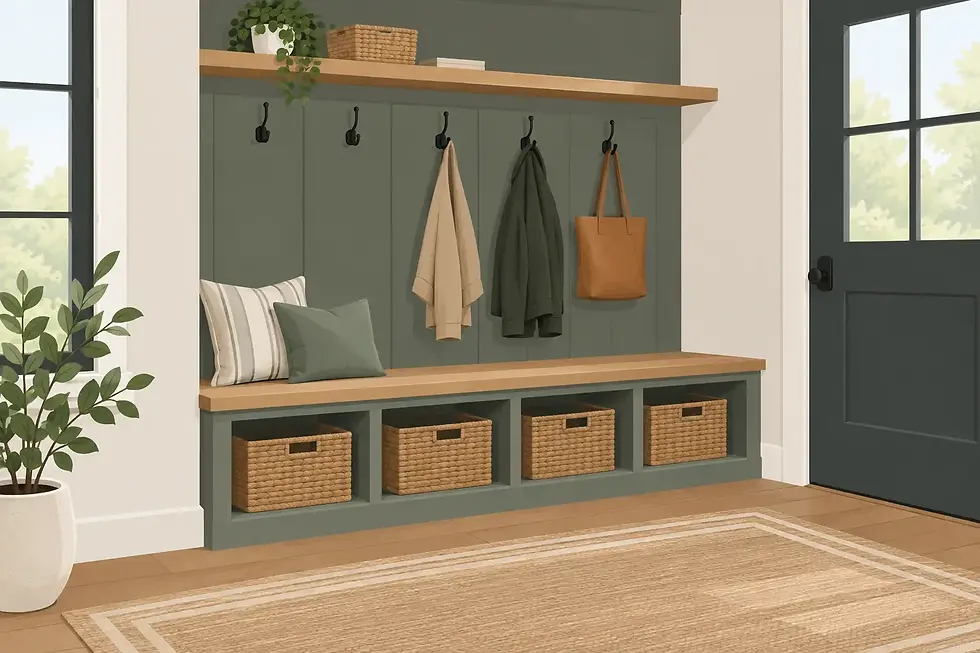
Built-ins work because they solve two problems at once. They add storage, and they make a room feel finished. That could mean a window seat with drawers, a living room media wall, bookcases around a fireplace, or floor-to-ceiling cabinetry in a home office. The method is similar across all of them, but the right approach depends on the room, the load the cabinets need to carry, and how precise the finished appearance needs to be.
Start with the room, not the cabinet
Before you cut any material, measure the room carefully in several places. Do not assume the opening width at the floor matches the width at 40 inches high. Check floor level, wall plumb, and whether the back wall bows in or out. In older homes especially, those conditions are common, and your cabinet plan needs to account for them.
This is where many first attempts go off course. People build boxes to the exact opening size, then realize the opening is tighter at the top or the floor rises by half an inch across the run. A better approach is to leave room for scribing, shimming, and finish panels. Filler strips at the sides can save a project and still look intentional once painted or finished.
It also helps to decide early whether the built-in should look furniture-like or fully integrated with the house. A furniture look might use legs, applied end panels, and visible shadow lines. A more architectural built-in often runs clean to the wall with scribed trim and crown or top infill.
How to build built in cabinets with a solid plan
Most built-ins are easier to build in layers. Start with a base or platform if the cabinets sit on the floor. Then build the main cabinet boxes. After that, add face frames, doors, drawers, and finish trim. Breaking the project into those stages gives you more control and makes installation more forgiving.
A base platform is often better than trying to level each cabinet independently. You can build a simple ladder base from straight framing lumber or plywood strips, level it carefully, anchor it, and then set the cabinet boxes on top. That keeps the reveals more consistent and makes the whole run feel grounded.
For the boxes themselves, plywood is usually the better material. It holds fasteners well, stays flatter than many sheet goods, and handles the wear of everyday use. For painted built-ins, a good cabinet-grade plywood with a paintable face is common. For stained work, wood species and grain matching matter more, and that pushes the project into a more finish-carpentry-heavy category.
Think through proportions before you commit. Deep lower cabinets can be practical, but overly deep uppers or bookcases often look bulky. Shelf spans matter too. Long shelves without enough thickness or support will sag over time, especially with books.
Material choices affect both look and lifespan
The most common combination is plywood boxes with solid wood face frames and trim. That gives you a stable cabinet structure and a crisp finished edge where people actually see and touch the work. In some designs, frameless construction can make sense, but face frames are often more forgiving in homes where walls are less than perfect.
Back panels deserve more attention than they usually get. A thin back may be enough for some applications, but a stronger back adds rigidity and helps keep the cabinet square during installation. If the unit will carry weight or span a wide section, that extra stiffness matters.
Hardware also changes how the cabinets feel in use. Soft-close hinges and quality drawer slides cost more, but they are part of what separates a custom result from a quick box build. This is one of those places where saving money upfront can make the finished piece feel lesser every single day.
Build square in the shop, fit precisely on site
When you build the boxes, accuracy matters more than speed. Cut components consistently, confirm diagonals, and clamp assemblies square before fastening. Even a slight rack in one cabinet can multiply across a full wall of built-ins.
If the design includes multiple cabinet sections, keep the widths intentional. Equal widths usually look clean, but sometimes a center section needs to widen for a television, window alignment, or a larger base cabinet below. The goal is not strict symmetry at all costs. The goal is balance that suits the room.
Installation is where custom work really earns its value. Set the base first and get it perfectly level. Then place the cabinets, shim where needed, and fasten them to each other before anchoring them securely to the wall framing. If the wall waves, you can pull the cabinet flush in some areas, but not always everywhere. That is why scribes, fillers, and applied panels are so useful.
Face frames, fillers, and trim make it look built in
This is the stage that changes a group of cabinet boxes into a finished built-in. Face frames hide plywood edges, create clean openings, and help unify separate boxes into one composition. Applied end panels can dress up exposed cabinet ends and give more depth than a simple flat side.
Fillers matter just as much as trim. A narrow filler between a cabinet and a side wall gives you room to scribe to the drywall and still keep doors and drawers operating correctly. Without that allowance, a cabinet can fit too tightly and look worse, not better.
Top trim should fit the style of the room. In some homes, a clean flat panel above the cabinets is enough. In others, crown molding helps connect the built-in to the existing trim package. Neither is automatically better. It depends on ceiling height, surrounding millwork, and whether the built-in is meant to disappear into the architecture or stand out as a feature.
Finishing is where flaws show up
Paint-grade built-ins can look excellent, but only if the prep work is handled properly. Seams, nail holes, joint transitions, and end grain all need attention. If you rush this part, the light will pick up every issue once the cabinet is in place.
For stained or clear-finished work, the bar is even higher. Material selection, grain consistency, and sanding quality all show. There is less room to hide filler or uneven joinery. That is one reason many homeowners choose painted built-ins unless the surrounding woodwork strongly calls for a stain-grade finish.
Door style also affects how demanding the finish will be. A simple slab or shaker door is usually more forgiving than a profile-heavy design with lots of inside corners.
Where DIY makes sense - and where it does not
If you are comfortable with accurate measuring, sheet-good breakdown, and trim fitting, a simple built-in can be a good project. A painted bookcase wall with lower cabinets is often manageable if the design is straightforward and the room is fairly square.
It gets harder when the built-in spans an entire wall, ties into a fireplace, wraps a window, or includes detailed lighting, custom doors, or integrated desks and drawers. At that point, the work becomes less about assembling cabinets and more about controlling sightlines, reveals, and finish transitions across the whole room.
That is also where a contractor with finish carpentry experience brings real value. A well-built cabinet box is only part of the job. Getting everything to read as one clean, fitted installation is the part homeowners notice most.
Common mistakes when building built-in cabinets
The biggest mistake is building to ideal dimensions instead of actual site conditions. Close behind that is underestimating the finish stage. People often focus on the cabinet carcass and leave too little time for fillers, scribing, caulking, sanding, and paint prep.
Another common issue is poor scale. Cabinets that are too deep, shelves that are too thin, or trim that does not match the house can make even well-built work feel out of place. Built-ins should look like they belong in the room, not like they were forced into it.
Electrical planning gets missed too. If the built-in will include lighting, a media setup, or a charging station, those details need to be considered before the boxes are closed up. Retrofitting after installation is usually slower and messier.
For homeowners planning a custom project, the smartest first step is often not cutting plywood. It is deciding exactly what the built-in needs to do, how permanent it should feel, and what level of finish quality the room deserves. Heritage Green Carpentry approaches built-ins that way because the final result depends on more than dimensions - it depends on proportion, fit, and the small choices that make custom work hold up over time.
A built-in cabinet should feel like part of the house the day it goes in, and still feel right years later when the room around it changes.


Comments