
Finish Carpentry Services That Change a Home
A room can be structurally complete and still feel unfinished. The drywall is up, the flooring is down, and the layout works, but the space lacks the detail that gives it shape, order, and permanence. That is where finish carpentry services make a visible difference.
Finish carpentry is the part of a project people see and touch every day. It includes the trim around doors and windows, baseboards that cleanly meet the floor, built-in cabinetry that fits the room instead of fighting it, stair components that feel solid underfoot, and the final wood details that make a renovation look intentional rather than pieced together. Good finish work does not call attention to itself with gimmicks. It simply looks right.
What finish carpentry services actually include
Homeowners often hear the term and think only of trim. Trim work is part of it, but finish carpentry services usually cover a much broader range of work, especially in custom renovation projects.
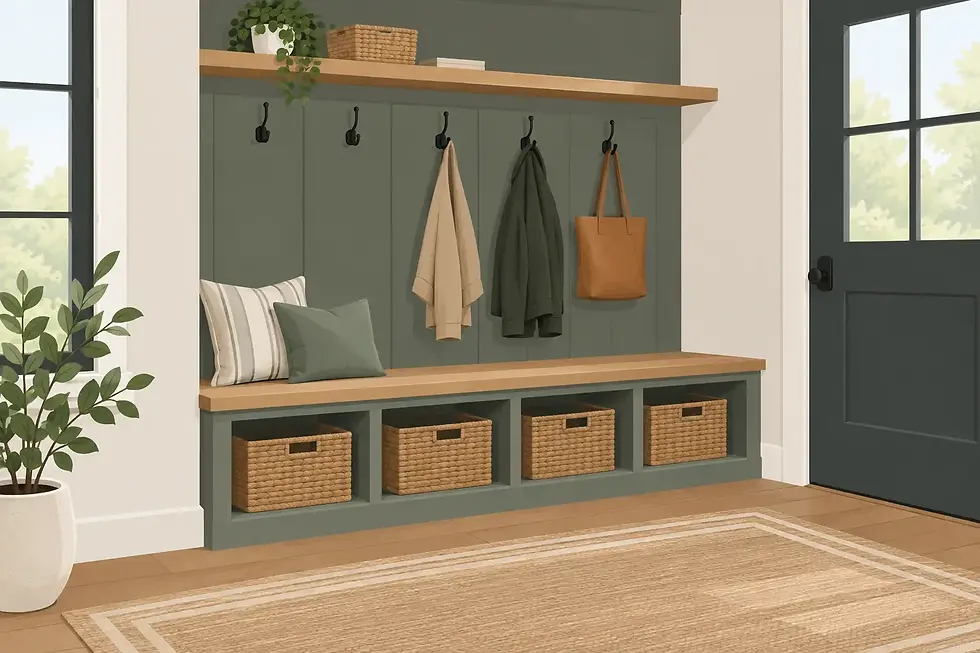
In practical terms, finish carpentry often includes interior trim installation, custom built-ins, fireplace surrounds, wainscoting, crown molding, door and window casings, stair finishing, railing systems, custom shelving, mudroom storage, and cabinetry details that complete a kitchen or living space. In some homes, it also extends to custom millwork that ties several rooms together with a consistent look.
The common thread is precision. Framing can tolerate variation that finish work cannot. Once paint, stain, and natural light hit a surface, every joint, reveal, and transition becomes visible. That is why finish carpentry sits at the intersection of function and appearance. It has to fit properly, perform properly, and still look clean from every angle.
Why finish carpentry services matter more than people expect
The quality of finish work shapes how a home feels long after the renovation dust is gone. You may not think about a stair skirt board, the proportions of a window casing, or the fit of a built-in bench every day, but you notice when those details are off. Gaps, uneven lines, awkward transitions, and generic trim profiles can make an otherwise expensive renovation feel underwhelming.
Good finish carpentry does the opposite. It gives the room a finished edge and a sense of permanence. In a kitchen, that may mean filler panels, crown details, end panels, and custom trim that make cabinetry look integrated rather than dropped into place. On a staircase, it may mean clean transitions, solid newel posts, and rail details that feel sturdy and proportionate. In a living room or entry, it may be a built-in that solves storage problems while adding architectural character.
There is also a practical side. Well-executed finish work protects edges, covers movement joints, improves durability, and helps materials meet cleanly where walls, floors, doors, and cabinetry come together. The visual result matters, but so does the day-to-day wear.
Where finish carpentry has the biggest impact
Some areas of a home benefit from finish work more than others. Kitchens are one of the clearest examples because they combine cabinetry, appliance panels, trim details, storage features, and a high level of daily use. If the finishing is careless, the whole room can feel off balance. If the details are handled properly, the kitchen reads as custom even when the footprint is straightforward.
Staircases are another high-impact area. People use them constantly, and they sit in plain view in many homes. A solid staircase with well-fitted treads, clean trim lines, and properly installed railings brings a level of finish that homeowners notice immediately. It also affects confidence underfoot, which is just as important as appearance.
Built-ins are often where finish carpentry shows its full value. A custom bookcase, mudroom wall, entertainment unit, or window seat can solve storage issues while making the room more usable. This is especially true in homes where off-the-shelf pieces leave wasted space or create visual clutter.
Doors and trim may seem smaller by comparison, but they influence the entire house. Consistent casings, baseboards, and door details can pull together old and new sections of a home, which matters in renovations where the goal is not just to update one room, but to make the whole home feel cohesive.
Custom work versus standard installation
Not every home needs elaborate millwork. Sometimes straightforward trim replacement or clean casing installation is exactly the right choice. Other times, the project calls for custom fabrication because the space, the house style, or the homeowner's goals demand more than standard stock material can offer.
That is an important distinction. Custom finish carpentry gives you better control over proportion, material, fit, and visual consistency, but it also requires more planning, more shop time, and a higher level of skill. It usually costs more than basic installation because it is built for the space rather than pulled from a shelf and cut to length.
For many homeowners, the decision comes down to where the detail will matter most. A custom mudroom built around your daily routine offers a different return than decorative trim in a spare room. The right contractor should be able to help you weigh those choices honestly, not push every project toward the highest-spec option.
How finish carpentry fits into larger renovations
One of the biggest advantages of working with a contractor who understands both construction and finish work is continuity. Finish carpentry does not happen in isolation. Its success depends on earlier decisions about layout, framing, flooring, lighting, and cabinet placement.
For example, a built-in only looks right if the surrounding walls, electrical locations, and floor levels are considered early. Stair finishing depends on structure, alignment, and code requirements. Kitchen trim details work best when the cabinetry plan, ceiling lines, and appliance specifications are coordinated from the start.
This is where project management matters. A contractor with finish carpentry experience can see the final look while the rough work is still underway. That reduces the common problem of trying to force polished details into a space that was not prepared for them.
On renovation projects, that foresight can save time and prevent compromises. Heritage Green Carpentry works in that space between custom craftsmanship and broader project execution, which is often what homeowners need when the job involves more than one trade and more than one room.
What to look for when hiring for finish carpentry services
Portfolio matters more than promises. Finish work is visual by nature, so you should be able to see clean lines, consistent detailing, tight joints, and projects that suit the type of work you want done. A contractor who builds quality staircases may also do strong trim work, but it is still worth asking to see examples that match your project.
It also helps to ask how the work will be approached. Will materials be selected to suit the home? Are the details being matched to existing trim profiles or designed as part of a new look? Is the work fully custom, partly custom, or based on standard components? These questions affect both the result and the budget.
Communication is another factor. Finish carpentry sits close to design, so assumptions can create problems quickly. Clear drawings, finish selections, dimensions, and expectations around paint-grade versus stain-grade work all need to be settled before installation begins.
And then there is the issue of tolerance. In finish work, close enough usually is not good enough. That does not mean every old house can be made mathematically perfect. Older homes move, settle, and carry their own quirks. Skilled finish carpentry accounts for that reality and still delivers work that looks clean and intentional.
The value is in the details you live with
Homeowners often spend heavily on major renovation elements and treat the finishing stage as the place to cut back. Sometimes that is a reasonable budget decision. Often, it is the step that most directly affects how satisfied they are when the project is done.
You live with finish work at eye level. You run your hand along the railing, set bags on the mudroom bench, open the built-in cabinet, and notice whether the trim lines feel crisp or careless. Those are not minor details. They are the parts of the home that turn construction into craftsmanship.
If you are planning a renovation, a custom staircase, built-ins, or a kitchen upgrade, it helps to think beyond square footage and fixtures. The finishing is what gives the work its final standard, and that standard stays with the house long after the tools are packed away.


Comments